


TULIP GARDEN
- Mar 10
- 3 min read
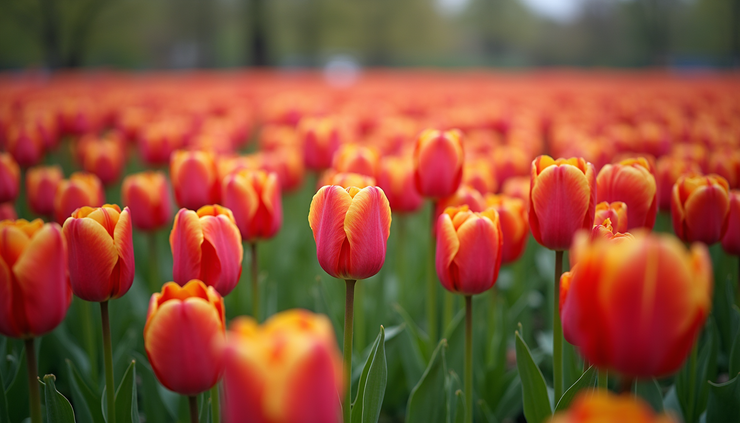
Creating a tulip garden can transform any outdoor space into a colorful retreat filled with charm and elegance. Tulips are among the most popular spring flowers, admired for their bright colors and graceful shapes. If you want to enjoy a vibrant display of tulips year after year, planning and care are essential. This guide offers practical advice to help you build a tulip garden that stands out.
Choose the Right Location
Tulips need plenty of sunlight to thrive. Select a spot in your garden that receives at least six hours of direct sunlight daily. Tulips also prefer well-drained soil to prevent bulb rot. Avoid areas where water tends to pool after rain. If your soil is heavy clay, consider mixing in sand or organic matter to improve drainage.
Select Tulip Varieties That Suit Your Style
There are thousands of tulip varieties, each with unique colors, shapes, and bloom times. Decide whether you want a classic look with single-color beds or a mixed palette for a more dynamic effect. Some popular types include:
Single Early Tulips: Bloom early with simple cup-shaped flowers.
Darwin Hybrid Tulips: Tall and sturdy, ideal for cutting.
Parrot Tulips: Known for their ruffled petals and bold colors.
Fringed Tulips: Feature delicate fringed edges for texture.
Mixing varieties with staggered bloom times extends the flowering season and keeps your garden lively.
Prepare the Soil Properly
Before planting, prepare the soil by removing weeds and loosening it to a depth of about 12 inches. Tulips grow best in soil with a pH between 6 and 7. Add compost or well-rotted manure to enrich the soil with nutrients. This improves bulb development and flower quality.
Plant Bulbs at the Right Time and Depth
Plant tulip bulbs in the fall, about 6 to 8 weeks before the first hard frost. This timing allows bulbs to establish roots before winter. Plant bulbs pointed end up, about 6 to 8 inches deep. Space bulbs 4 to 6 inches apart to give each plant room to grow.
Watering and Mulching Tips
After planting, water the bulbs thoroughly to settle the soil. During the growing season, tulips need moderate watering. Overwatering can cause bulbs to rot, so let the soil dry out between waterings. Apply a layer of mulch to conserve moisture, suppress weeds, and protect bulbs from temperature fluctuations.
Protect Your Garden from Pests and Wildlife
Tulip bulbs and flowers attract pests like squirrels, deer, and rodents. To protect your garden:
Use wire mesh or bulb cages when planting.
Apply natural repellents around the garden.
Plant companion flowers that deter animals, such as daffodils or alliums.
Regularly inspect your garden for signs of damage and take action promptly.
Care After Blooming
Once tulips finish blooming, allow the foliage to die back naturally. The leaves feed the bulbs for next year’s growth. Avoid cutting leaves too early. After the foliage turns yellow and withers, you can remove it. If you live in a warm climate, consider lifting and storing bulbs in a cool, dry place during summer to prevent rot.
Design Ideas for a Stunning Tulip Garden
To make your tulip garden visually appealing, consider these design tips:
Create Patterns: Plant tulips in geometric shapes or waves for a striking effect.
Combine with Other Plants: Pair tulips with early spring bulbs like crocuses or hyacinths.
Use Containers: Plant tulips in pots or raised beds for flexibility and easy care.
Add Pathways: Define walking paths with tulip borders to invite exploration.
Experiment with colors and layouts to find what suits your space best.


Comments